
Records Behind a Marion Resident Lookup
No official source is a complete list of current residents. Choose the record that fits the question, then note the date, role, and custodian.
| Route | Evidence | Official source | Boundary |
|---|---|---|---|
| Parcel and instruments | Owner, situs, mailing address, legal description, transfers | Linn Assessor, GIS, AVA | Ownership is not occupancy |
| Voter registration | Match from name, house number, ZIP, birth fields | Iowa SOS, Linn Elections | Protected data and ballots excluded |
| Court docket | Role, county, case type, dates, status | Iowa Courts Online | Web docket is not official file |
| Vital and family records | Events, relatives, death and burial trail | Recorder, HHS, archives | Copies have eligibility rules |
| Business and licenses | Entity role, filing location, license status | Iowa SOS, PLB, DIAL | Affiliation is not residence |
When an address is the first clue, use the Marion street directory. For an older person, begin with directories, obituaries, probate, cemetery material, and deeds.
Searching Marion Names in Iowa Courts Online
Iowa Courts Online searches statewide electronic dockets. Trial Court Name mode requires at least two letters of the last or firm name; first name, county, case type, role, middle details, and AND/OR can narrow results. The percent sign is the documented wildcard. Trial DOB requires exact birth date plus first and last name. Case-ID mode requires county and case type; citation data can take up to 14 days to appear.
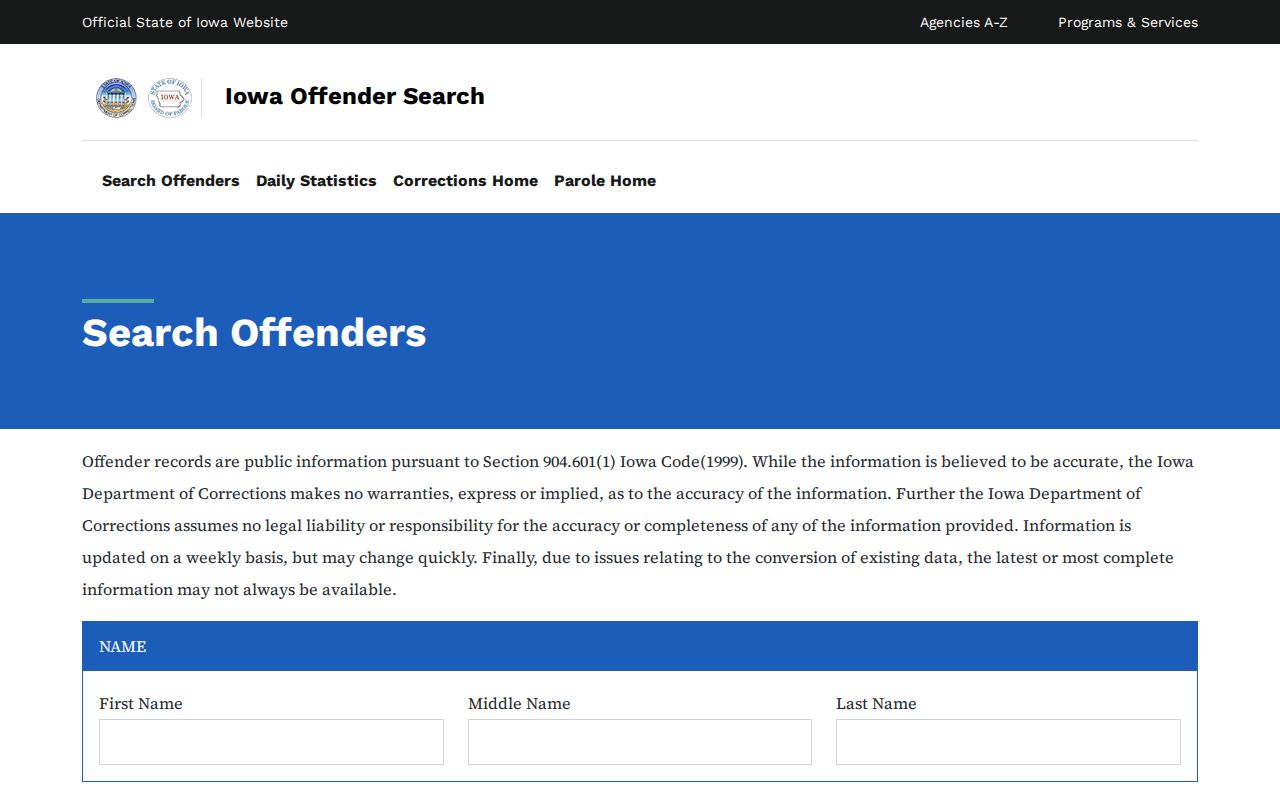
Results may show case ID, title, party role, filed date, events, status, disposition, and some financial details. Confidential, juvenile, adoption, sealed, and expunged matters are unavailable. Cases before 1998 may not be online. Ask the Linn County Clerk at 319-398-3411 about a public terminal, archive, or official copy.
Confirming the Right Marion Resident
Same-name errors are the central risk. Keep every source date visible and follow a repeatable check.
- Record full name, initials, variants, approximate age, relatives, old address, and years.
- Anchor identity to a Marion or Linn address through parcel, deed, voter, directory, permit, or obituary evidence.
- Search courts with variants and Linn filters; compare role, case type, dates, and lawful identity details.
- Use a vital index, obituary, probate, business filing, or license as an independent comparison.
- Order an official or certified copy from its custodian when the distinction matters.
- Docket
- A chronological case index, not the clerk's official file.
- Index and image
- An index points to a record; an image reproduces it and may require another portal or fee.
- Certified copy
- A custodian-issued copy carrying official certification under that record's rules.
A deed owner may live elsewhere, a voter may not own property, and an officer may only have a business connection. Use two independent matches before stating that a person lived at an address.
Marion Records Are Kept in Linn County
Marion is a city in Linn County, not the records office for Marion County. Cedar Rapids is the county seat and holds the courthouse, Recorder, Assessor, and Election Services offices used for many Marion searches. Marion departments separately keep permits, planning applications, police and clerk records, cemetery material, and library collections. No separate public Marion municipal-court index was located.
Practical shortcut. Decide whether the record is county, city, or state first. A county case belongs with the Linn clerk; a Marion service-address permit belongs with the city; a statewide license or entity filing belongs with Iowa.
Following a Marion Heir or Family Trail
For an heir question, combine probate, obituary, death-record eligibility, cemetery, and deed sources. Current probate may appear online, while the State Historical Society lists Linn probate series from the 1840s through 1929. Marion archives and the Linn obituary index can supply relatives, dates, and community ties. Oak Shade burial information corroborates a trail, but burial does not prove residence.
Iowa registration began in 1880. State records generally open to the state archivist after 75 years for birth, marriage, and divorce and 50 years for death and fetal death under Iowa Code §144.43. The current HHS application lists $20 per certified copy, while Linn still displays $15, so verify before ordering. A birth-parent search belongs in the HHS Mutual Consent Voluntary Adoption Registry, not open-record digging.
Owner, Voter, Licensee, and Officer Mean Different Things
Linn parcel data connects a deed or contract owner to situs and mailing details, yet the assessor form has no owner-name field. GIS can expose a GPN, legal description, recorder instrument, and direct assessor and recorder links. It is useful when an address is known, but a mailing address may belong to a trust, company, or fiduciary.
The Iowa business search returns business number, name, status, and type; filings may add prior names, agents, and officers. Licenses can be searched by name, board, status, company, location, and license number. Neither role proves a home address. DIAL treats private birth date, home address, phone, and email as confidential under Iowa Code §10A.508.
Lawful Limits for a Marion Resident Lookup
Iowa Code chapter 22 opens existing public records unless another law closes them, but does not require a custom resident list. Requests may be written, phoned, or electronic. Inspection is free while the custodian has possession, and work under 30 minutes generally should not draw more than copying charges. Redaction, delivery, and staff time can affect cost and timing.
Vital, juvenile, adoption, sealed, expunged, voter, Safe at Home, and driver data carry protections. Iowa's consumer-data law does not create a blanket way to erase deeds, assessor entries, dockets, or newspapers. Correct parcel facts with the Assessor, instrument indexing with the Recorder, docket data with the Clerk, vital data with HHS or the Recorder, and voter data with Election Services.
The official Iowa Sex Offender Registry is a separate public-safety source with its own search agreement, address-radius tools, notifications, and legal-use warnings.
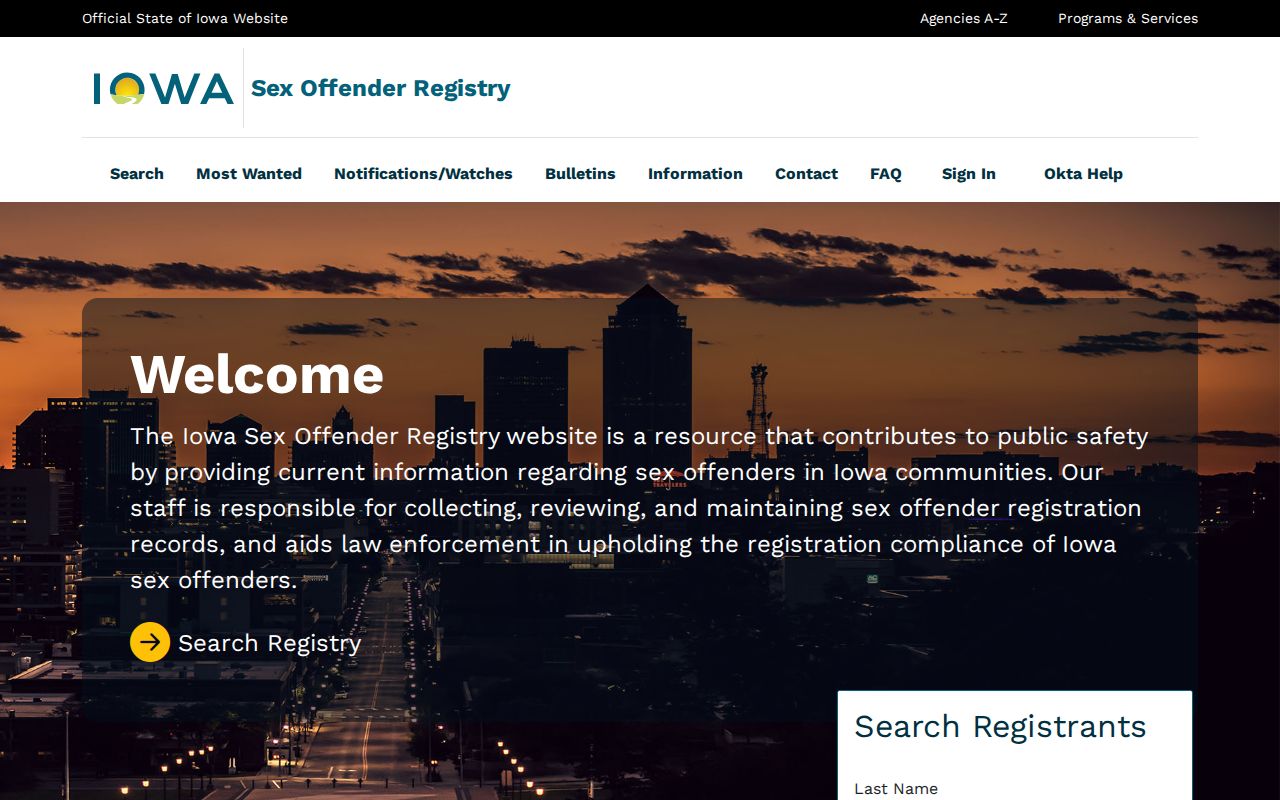
Registry information must be read with the site's current disclaimer and restrictions; it should not be merged casually with unrelated same-name records.
Lawful use. Use records for family history, estate work, reconnection, civic transparency, scam avoidance, or other lawful purposes. Never stalk, harass, intimidate, or publish an unverified address.
When a Marion Lookup Portal Stops
An empty online result may describe the portal rather than the person. Iowa Courts Online does not carry every older, confidential, or clerk-only case detail. AVA's official online beginning date was not found, even though Linn real-estate records extend to transactions from the 1850s. Marion's digital archive has strong directory and newspaper runs, but gaps remain. Keep the exact name, spelling variants, date range, county, address, GPN, case number, book and page, or instrument number before moving to the next channel.
For land records, call or visit the Linn County Recorder, or send a narrow mail request. Iowa Land Records supplies a free statewide connection, while the State Historical Society preserves older Linn deed indexes, town lots, probate, naturalization, vital indexes, and other county series. Court questions go to the Linn County Clerk's matching civil, criminal and traffic, juvenile, or accounting division. The official docket help states that ordinary public searching needs no subscription, though some schedules, judgment and lien indexes, exhibits, bonds, and service returns may need paid access or a clerk request.
Vital records use a different chain. Linn County issues qualifying birth, death, and marriage copies for the years and exceptions listed by the county, while Iowa HHS handles statewide copies, older or exception years, and genealogy searches. Mail requests require a completed application, current government photo identification, payment, and notarized signature. HHS also offers in-person, phone, and authorized-vendor routes. Because current HHS and Recorder material lists a $20 certified-copy fee while a Linn page still displays $15, confirm the charge and payment method before submitting.
Marion municipal files can be requested through the City Clerk's CivicWeb route, by email, letter, fax, phone, or in person. Describe an existing record, not a custom report. Include the department, record type, address or case number, date range, and preferred delivery. The city says staff responds within ten days and may estimate copying, staff, legal-review, redaction, media, or delivery costs. These fallback channels turn a failed screen into a documented Marion resident lookup instead of an unsupported conclusion.