
Begin a Marion Residents Search
Let the fact you already hold pick the first source. A street address fits the Linn County Assessor search. A registration check needs a full name. It also needs a ZIP, house number, and birth date in Iowa's voter tool. An old name or address belongs in Marion's Digital Community History Archive. Treat any single result as a lead. Ownership does not prove occupancy. A voter match says nothing about the rest of a household. An old directory reports only what its publisher gathered that year. The Marion residents directory rewards a documented sequence. At each step, save the date, spelling, parcel number, instrument number, and the record keeper. Two people may share a name. Weigh middle initials, dates, roles, and places before joining their files. When a portal comes up empty, ask for a narrow existing record. Do not request a custom list.
- Search the assessor by physical address and save the parcel's GPN, the county's geographic parcel number.
- Open the GIS parcel details and separate the situs, or physical site, from the owner's mailing address.
- Follow the recorder reference into AVA or Iowa Land Records, then note each grantor and grantee.
- Use the state voter lookup or court index only when their search fields fit the question.
- For older people, pair a dated directory entry with newspapers, census schedules, deeds, or probate material.
Marion Directory Record Keepers
Marion sits inside Linn County, whose seat is Cedar Rapids. That split decides where records live. Marion City Hall keeps permits, council material, planning files, and other municipal requests. The county offices in Cedar Rapids hold the rest. Deeds, parcel assessments, voter-list requests, and district-court files all sit there. State portals cover registration, court dockets, business entities, protected-address services, and many vital records. For the full parcel-by-parcel method, turn to the Marion street directory.
Office access still matters. Recorder holdings reach back to transactions from the 1850s, though the official source does not state where complete online AVA coverage begins. The Assessor and GIS offices offer public search and staff help, while the Secretary of State runs the individual registration check. Election Services takes the county list-request form.
Search Marion Parcels First
For a Marion address, the strongest public starting point is the Linn County residential property search. No owner-name box appears. Search by parcel number, address, legal description, or lot area. A result ties the address to owner and mailing clues, assessed values, class, exemptions, tax district, and a legal description. Keep the assessment year with any value.
| Search field | How Marion research uses it |
|---|---|
| Parcel number | Opens one known GPN directly |
| Physical address | Finds a street number and street name |
| Legal description | Bridges an address change or deed search |
| Section, township, range | Narrows land outside a simple lot address |
| Lot area | Supports a constrained parcel search |
The manifest's Iowa registration source shows a different kind of official lookup.
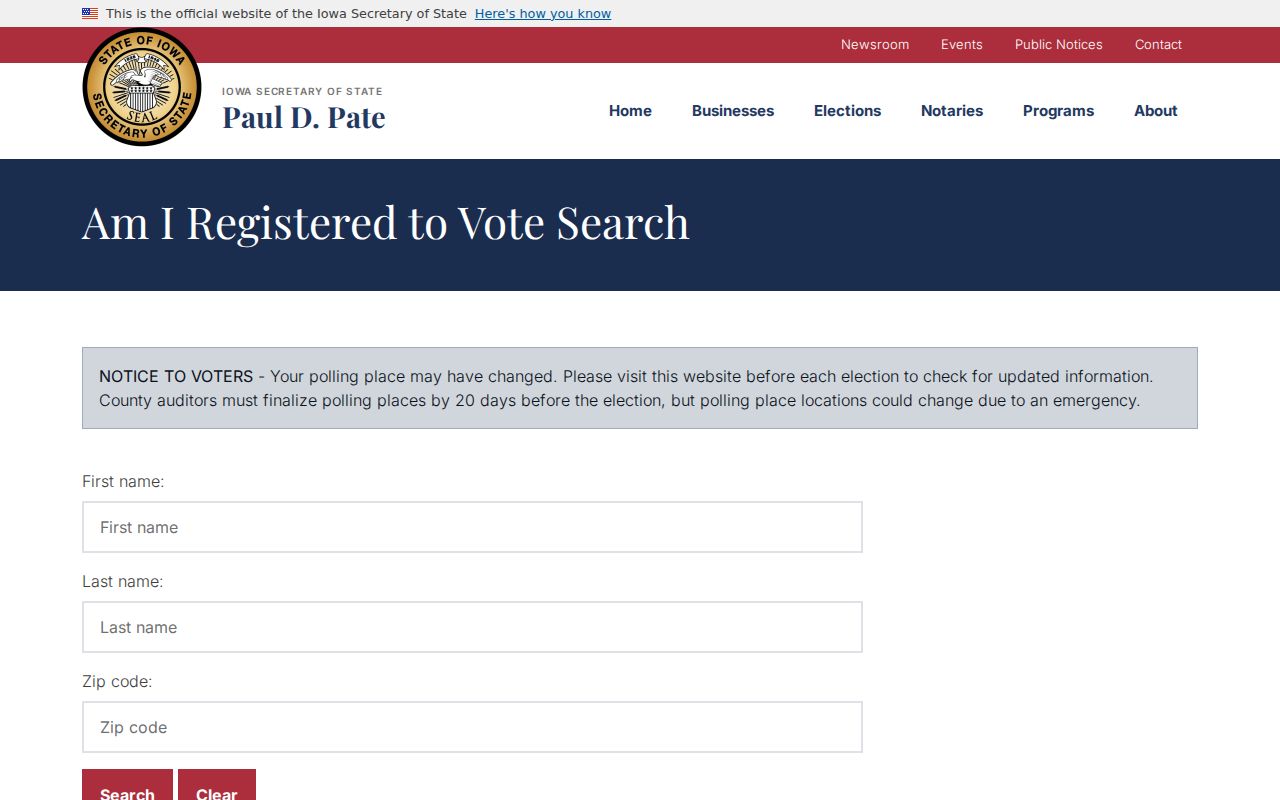
Its required fields limit it to confirming one person.
Linn GIS Deepens Marion Records
The Linn GIS parcel layer goes deeper. It cannot search by name, but its fields run from GPN and situs address to deed owner, contract owner, mailing address, legal description, assessed values, tax district, exemptions, and recorder book, page, or instrument references. Direct assessor, property-report, and recorder links turn one map selection into a clean records chain. Neighboring polygons sketch the block. They do not name everyone inside a parcel. Read alongside the assessor form, the map gives a Marion records search its widest base.
- Parcel
- A mapped unit of land identified by a county number.
- Situs address
- The physical address of the parcel, distinct from an owner's mailing address.
- Index
- A finding tool that points to a document; it is not always the document image.
- Criss-cross directory
- A directory arranged by street or phone so an address can lead to a listed person.
Open GIS data cost nothing. The county refreshes its public layers on Mondays. For a question the viewer cannot resolve, contact the GIS Division or Assessor with the GPN and the exact field at issue.
Current Marion Directory Sources
Current rolls each cover a different group. None is a master household register. The property roll centers on ownership, and voter systems center on registration. Recorded instruments name parties to filed land documents. Municipal files identify applicants or participants in a city matter. State business records can confirm an entity or agent. But a business address is never a home.
| Official source | What it can confirm | Custodian | Access route |
|---|---|---|---|
| Property parcel | Owner, mailing and situs clues | Linn Assessor and GIS | Free web search and office |
| Voter registration | One matching registration | Iowa SOS and Linn Auditor | Individual lookup or list request |
| Recorded land index | Parties, instrument and legal description | Linn Recorder | AVA, Iowa Land Records, office, mail or phone |
| City permits and minutes | Applicant, address or civic role | Marion departments | Posted record, portal or Chapter 22 request |
| Court docket | Case party, role and events | Iowa Judicial Branch | Iowa Courts Online or clerk file |
Official rolls name who appears in a record. Commercial people-finder results blend data from unknown dates, drop context, and should yield to an official custodian whenever accuracy matters. Check the record's date and scope too.
Iowa Voter Lookup Fields
Iowa's Secretary of State runs an “Am I Registered?” page. It tests one person's details against county-auditor data. Required fields are first name, last name, ZIP code, house number, and birth year, with birth month and day also collected. The result covers primary, general, city, and school elections. Special-election questions go to the county auditor. The separate Linn voter-list request asks for the requester's identity, intended use, signature, delivery fields, and selected voter data, under Iowa Code sections 48A.38 and 48A.39. Some fields stay private. Social Security, driver-license, and nonoperator-ID numbers, plus ballot choices, never appear in public lists. Active lists may be requested as TXT or CSV. They can take up to fourteen days, and the county form describes an election blackout period. The Marion online records request portal shows the city's separate channel for such requests.
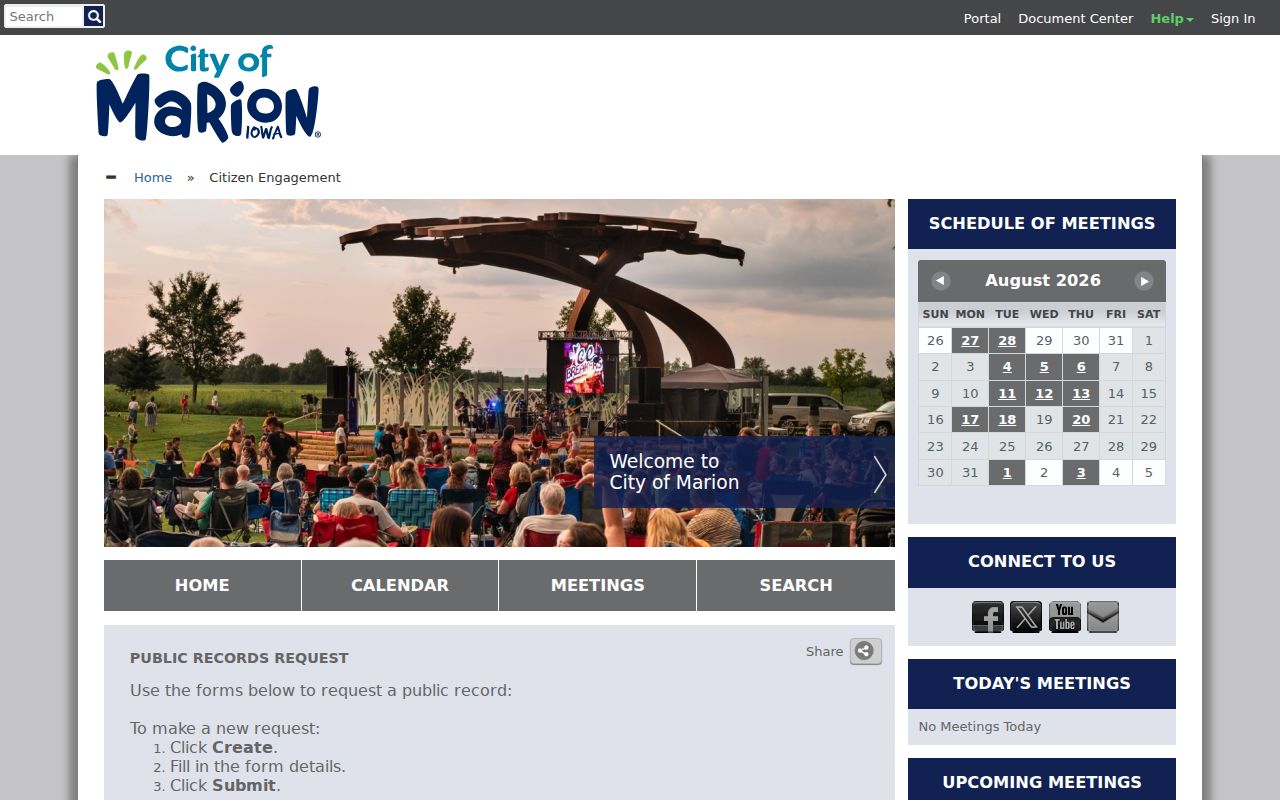
The portal is not the only door. If its form will not render, the City Clerk accepts a narrow request by email, phone, mail, fax, or in person.
Marion Deeds Name the Parties
Deeds are the backbone of Marion property research. The Linn County Recorder keeps deeds, mortgages, assignments, releases, liens, and plats. Every instrument names a grantor and a grantee. The grantor gives up an interest. The grantee receives it. Search AVA. Or use the free statewide Iowa Land Records portal. Record the instrument number, book and page, legal description, document type, and filing date. When an image is missing online, send those identifiers to the Recorder. The office also handles mail, drop-box, and phone requests.
Copies cost $1 per page. A certified copy costs $5 and carries the custodian's seal, which a screen print lacks. The online start year for Linn deed images is not published in an official source. So older Marion research belongs at the recorder counter or the State Historical Society's Linn County land groups. Never assume a record never existed just because it is not online. The Iowa business entity search helps only when a deed or city file names a business.
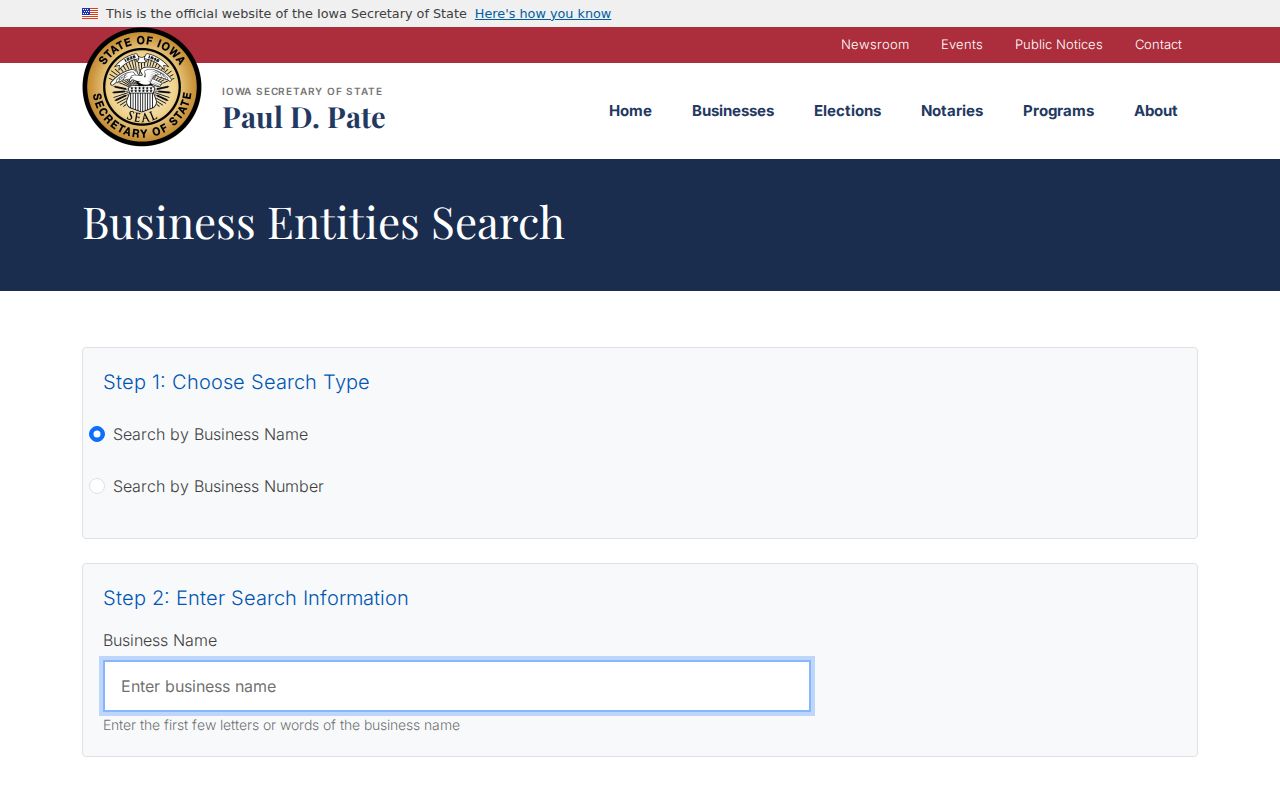
Entity status and prior names can confirm an organization, but a registered address proves nothing about where a person lives.
Request Marion City Records
Marion's City Clerk handles requests for municipal files. Council agendas, minutes, permits, plats, rezoning files, licenses, and cemetery records often hold resident-directory detail. Files tied to a named city project can hold it too. Staff answers within ten days, the city says. Submit through CivicWeb, or send a letter, email, fax, phone call, or walk-in visit. Include the record type, date range, department, address, case or permit number, and how you want delivery. The more precise the ask, the faster the records move.
Fees can apply. Actual copying, media, and postage count. Staff time past the first thirty minutes counts too, as does any legal or redaction review. An estimate and a deposit may come first. For permits, Building Services offers a public permit lookup covering 2010 onward. It is searchable by permit type, permit number, and service address. Anything older goes back to the department itself. Planning's zoning map cannot be searched by address or parcel. Calling staff is the right fallback there. The Iowa Public Information Board's Chapter 22 guidance lays out the statewide access framework.
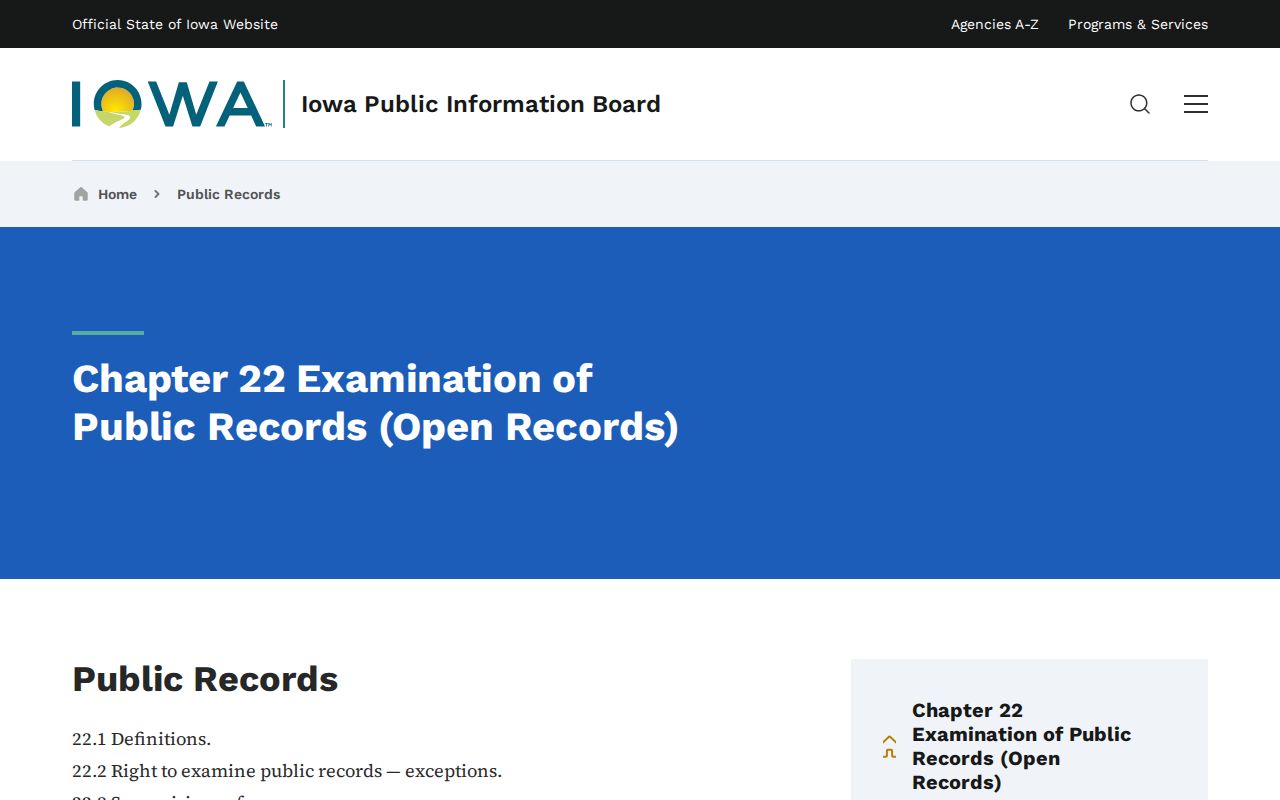
Chapter 22 gives the public access to existing records in Marion. A custodian does not have to assemble a brand-new resident list just because someone asks.
Verify Marion Court Names
Iowa Courts Online indexes dockets statewide. Search it by name, case number, or other fields listed in the official help. Then compare county, case type, party role, filing details, and disposition before trusting a match. One surname alone proves little. New public cases usually appear quickly. Trial cases older than 1998 may need the Linn County Clerk of Court. Confidential and juvenile matters never show up at all.
The Clerk's public office sits at the courthouse in Cedar Rapids. It holds the official file for Linn District Court. A docket is just an event list and case summary. It is not the whole file. Exhibits, service returns, some schedules, and similar material may require clerk access. Some may also require a paid subscription. Marion city parking tickets also stay out of Iowa Courts Online. The manifest's Linn County Clerk page breaks down the office divisions. Route civil, criminal and traffic, juvenile, and accounting questions to the right desk.
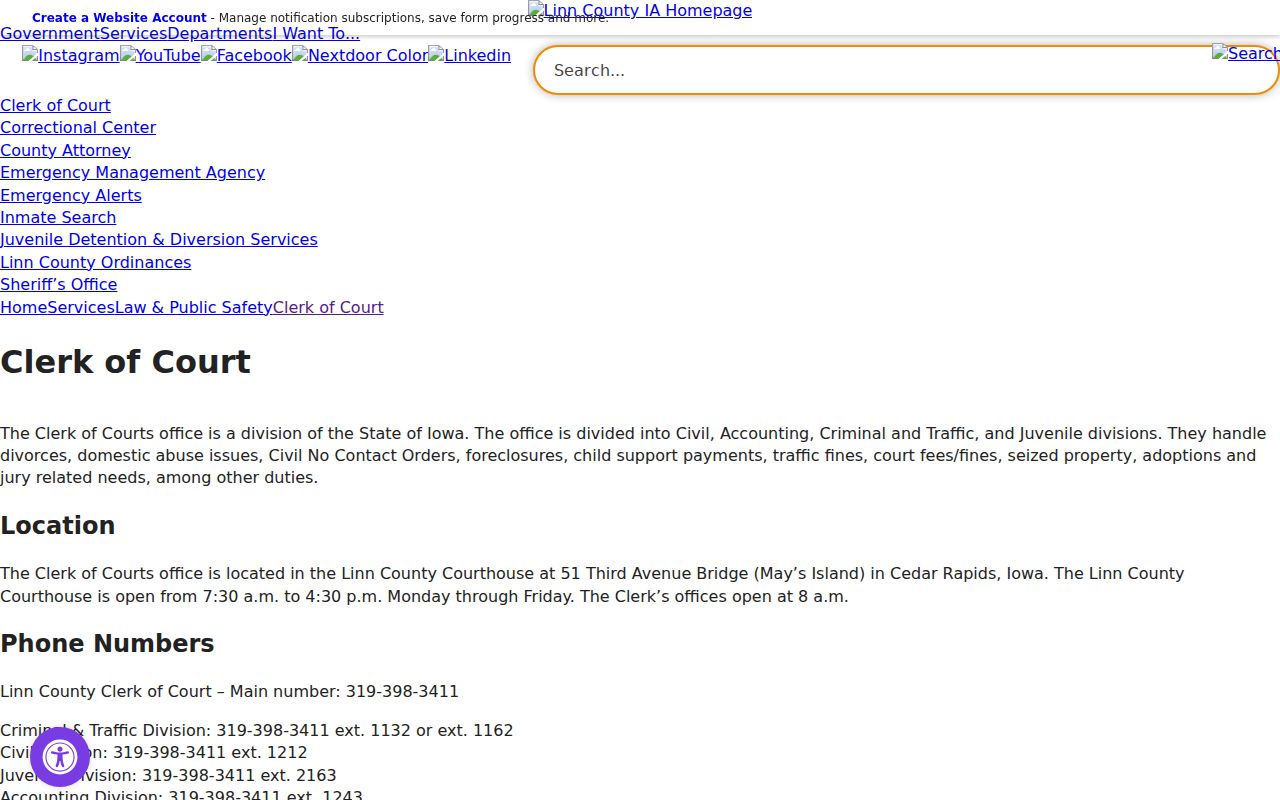
Direct civil, criminal and traffic, juvenile, and accounting questions to the matching clerk division.
Older Marion Residents Directory Runs
The city directory runs in Marion's Digital Community History Archive reach from 1915 through 2009. Gaps and edition differences were left visible. Telephone directories from 1927 through 1937 and historical newspapers sit alongside them. One 1996 R. L. Polk edition reports 11,595 total listings. Of those, 7,446 are household listings, across sections for names, businesses, a street guide, and classified ads. The street guide works in reverse. Start at an address and read the listed occupant instead of starting from a surname.
The Marion Public Library supplies the digital archive. It also offers in-library Ancestry Library Edition, HeritageQuest census material, Gazette access, and the Linn County Obituary Index. The Marion Heritage Center's Pat Klopfenstein Library adds local-history and genealogy help. The full historical shelf and the directory-reading method appear in the Marion city directory collections.
Treat any directory entry as dated and selective evidence. A listing may carry a name, spouse, occupation, employer, phone, and address. Yet publisher abbreviations and scope decide what it truly means. Pair a directory year with a census, newspaper, deed, obituary, or probate file. Don't stretch one listing across a decade.
Marion Archives Survived Disruption
The August 2020 derecho damaged Marion Public Library. The library history reports that roughly twenty percent of its collection was lost. That loss explains why a local item may be missing from a present shelf. Digital copies, the Heritage Center, the State Historical Society of Iowa, newspaper runs, and county record groups offer parallel routes. A negative library search should prompt a check of those collections. It should not lead to a claim that no record was ever created.
Marion's official history supplies useful date anchors. The city was platted in 1839. The railroad arrived on October 13, 1864, and Marion became a division point in 1887. Those dates can narrow directory, newspaper, city-minute, and occupational searches. This helps for a family tied to rail work or the businesses around it. Historical color should guide a search, while a dated primary record confirms the person.
Population growth sharpens the same-name problem. Marion counted 41,535 residents in the 2020 Census, with a 2025 estimate of 42,732. As the city grows, careful matching matters more than a surname alone. Match across parcel, date, and record role.
Oak Shade Extends Marion Trails
Oak Shade Cemetery sits at 789 2nd Avenue. Marion owns the grounds and the records. Its published burial list runs current through January 14, 2025, and permanent interment records stay open under Iowa Code section 523I.311. Cemetery deeds, lot-owner files, burial entries, headstone photographs, obituaries, and probate papers can each push a family trail one step further. Read them with care, though. A grave shows where someone rests, not where they lived at death. A lot owner might be a relative, or simply the buyer.
The Linn County Obituary Index is a finding aid, spanning roughly the 1930s through the 1980s at the Linn County Genealogical Society Library. It is not a certified death index. Authorized applicants order certified records through Linn County or Iowa HHS, under the applicable eligibility and confidentiality rules. Older vital records open on a separate historical schedule.
Protect Private Marion Addresses
Iowa Safe at Home shields qualifying survivors. It supplies a substitute address, confidential voter registration, and mail forwarding. Real-estate records stay public in a separate system. The program cannot erase property rolls, and vital records, sealed or juvenile court matters, driver records, and protected law-enforcement details each carry their own limits. Stop when protected status appears. Never rebuild a hidden address from another public source. The Safe at Home program site explains the protections and how to apply.
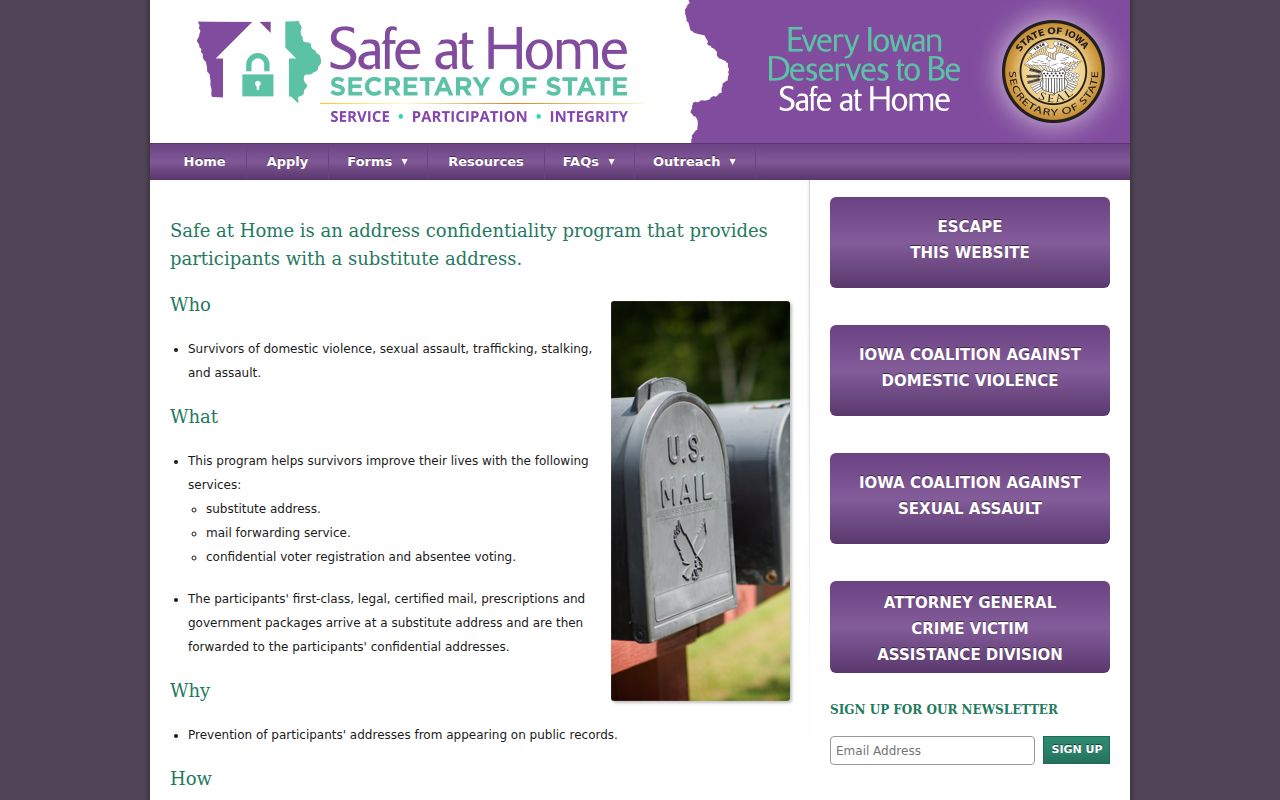
Eligibility and protected-mail questions go to the program itself. Local directory searches should honor the substitute address.
Use records lawfully. Marion public records support family history, civic research, reconnection, scam checks, and personal safety. Never use them to stalk, harass, threaten, or harm anyone.
Check Marion Deed Alerts
Linn County's free Property Fraud Alert watches a subscribed name in Recorder filings, and an email can signal a purchase, sale, refinance, same-name filing, loan, or lien. The alert flags activity only. It blocks nothing and proves no fraud. A wrong-looking notice calls for a fresh AVA search. Compare the newest instrument and its legal description. Then call the Recorder through the county's published contact.
Current AVA references follow the county's September 3, 2024 Fidlar migration. Old bookmarks and portal names may fail. Save the GPN, instrument, book and page, party spelling, and date before contacting staff. Staff can explain document types and legal descriptions. They cannot decide legal validity or offer legal advice on a filing. Ignore urgent payment demands until the county confirms the filing.